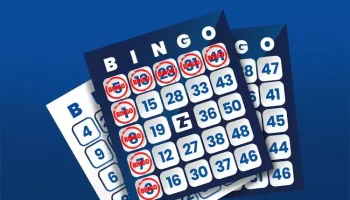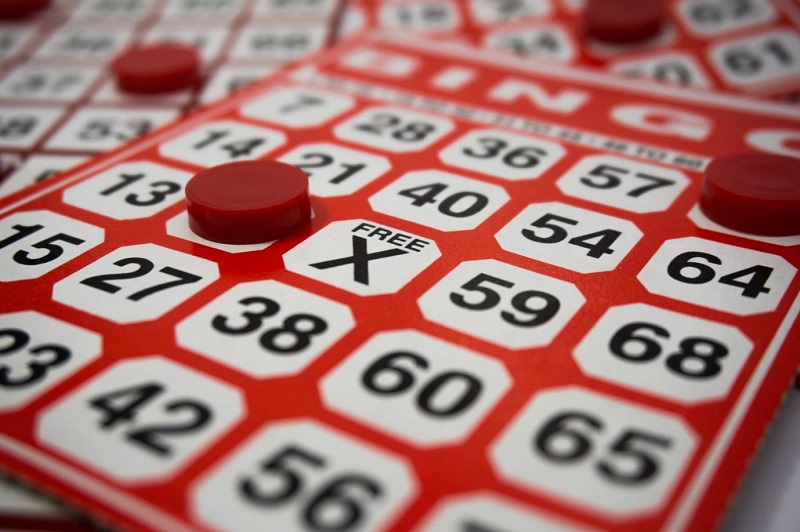
For decades, the mention of bingo tended to summon a remarkably uniform mental snapshot: folding tables under buzzing fluorescent tubes, church basements carrying the faint aroma of stale coffee, and rows of focused players defending dozens of paper sheets with ink dabbers in near-reverent silence. It was a cherished ritual, but one firmly anchored in a bygone era. Outside those dedicated halls, popular culture had long relegated the pastime to retirement communities and weekly charity fundraisers.
Today, that stereotype is quietly falling apart. Walk into an entertainment venue on a Friday night in Brooklyn, London, or Austin, and you are far more likely to find hundreds of twenty-somethings standing on chairs, singing along to pop anthems, trading dance-offs for cash prizes, and cheering as the next numbered ball drops into place. At the exact same time, millions of mobile users tap into fast-paced digital variants on their daily commutes, chasing seasonal achievements, unlocking custom visuals, and teaming up with digital clubs. Bingo has not simply survived into the twenty-first century; it has staged an extraordinary reinvention, capturing the attention of an audience raised on digital entertainment, interactive media, and experiential nightlife.
The Cultural Shift: Turning a Quiet Pastime into Nightlife Theater
The modern resurgence began when live event producers recognized that bingo possessed the ideal foundation for group entertainment. It is intuitive, participatory, and inherently suspenseful. By stripping away the hushed etiquette of traditional halls and injecting the energy of a live concert, creators unlocked a genuine nightlife phenomenon.
The rise of event-based bingo—frequently staged as bingo raves, musical bingo, or drag bingo—turned the game into a multisensory production. Instead of monotone callers reading out alphanumeric pairs, attendees encounter charismatic hosts, live DJs, theatrical lighting, and spontaneous dance breaks. The prizes reflect this playful irreverence: winners might walk away with a vintage toaster, a giant cardboard cutout of a celebrity, an air fryer, or a substantial stack of cash.
Crucially, these events offer an alternative to traditional clubbing. Young adults, increasingly fatigued by conventional bars where socializing can feel passive, repetitive, or awkward, are gravitating toward active, shared entertainment. Bingo provides an effortless social framework. Guests do not need to invent conversation topics out of thin air; the card in front of them generates a collective narrative of near-misses and sudden triumphs that breaks down social barriers between strangers across shared tables.
Digital Evolution: Fast-Paced Formats for the Mobile Generation
While physical venues turned bingo into a stage spectacle, game developers rebuilt the experience from the ground up for the smartphone screen. Early digital adaptations often struggled because they attempted to mimic the slow tempo of physical halls. The turning point arrived when creators realized that modern mobile players wanted a rhythm tailored to short attention spans and pocket-sized play sessions.
Modern digital platforms overhauled the core gameplay loop by introducing auto-daubing mechanics, multi-card automation, and dynamic visual pacing. Instead of scanning numbers across physical cards for minutes at a time, players can trigger power-ups, complete mini-games between rounds, and participate in tournaments that resolve in under two minutes. This shifted the experience closer to the cadence of modern casual gaming hits, blending pattern-matching satisfaction with rapid randomized rewards.
Beyond mechanics, the digital sphere doubled down on community building. Integrated chat features, cooperative team events, and shared guild challenges transformed what could have been an isolating screen activity into a collaborative social hub. Players celebrate each other’s victories, trade virtual items, and establish daily check-in habits with friends scattered across different time zones.
Why the Core Mechanics Still Hold Up
To understand why bingo appeals so strongly across demographic divides, one has to look closely at its underlying structure. Strip away the music, the stage lights, and the digital animations, and you are left with an exceptionally clean piece of game design that satisfies basic human impulses.
Universal Accessibility Without a Learning Curve
Most games that captivate modern audiences—from complex strategy video games to competitive tabletop titles like poker—demand a significant upfront investment of time. They require players to memorize rules, master rankings, study opening theories, or hone physical reflexes. That steep learning curve often produces an intimidating barrier to entry.
Bingo demands virtually zero preparation. A first-time player holds the exact same statistical odds of winning as someone who has played for thirty years. There is no bluffing, no tactical deception, and no penalty for failing to calculate probabilities. This complete democratization of the playing field creates a relaxed psychological space. Players can unwind, hold conversations, and participate without the performance anxiety that so often accompanies competitive gaming.
The Psychology of the Near Miss
Bingo relies heavily on a psychological phenomenon known as the near-miss effect. As a player marks off four numbers in a row, every subsequent number drawn carries heightened emotional stakes. The human brain naturally anticipates the completion of a visual pattern, releasing small bursts of dopamine with every matching call. Even when someone else claims the winning line first, the feeling of having been just one square away leaves participants eager to reset and try again immediately. It is low-stakes suspense at its purest, delivering tension and resolution in neat, predictable cycles.
The Search for Low-Pressure Third Places
Another major driver of bingo’s contemporary appeal is sociological. Modern urban living, remote work routines, and digital fatigue have disrupted traditional avenues for casual, face-to-face community. Sociologists frequently highlight the ongoing decline of the “third place”—those social surroundings distinct from the two usual environments of home and the workplace.
Younger demographics are actively searching for welcoming environments where they can gather without the pressure of professional networking or the intense atmosphere of crowded nightlife. Modern bingo venues, neighborhood brewery game nights, and community pop-ups fill this gap remarkably well. The game acts as a natural social buffer; having an easy, tactile activity on the table reduces awkwardness, making it easy to joke with neighbors or catch up with colleagues. It provides a simple excuse to be present together without high costs or elaborate expectations.
Where the Game Goes Next
The ongoing evolution of bingo shows no sign of slowing down. Creative communities on digital streaming platforms regularly design custom bingo cards for live entertainment, award shows, and community streams, turning passive spectatorship into an interactive group challenge. Meanwhile, hospitality concepts are experimenting with hybrid designs, using interactive table displays and augmented reality elements that blend the tangible charm of in-person gathering with the fluidity of digital gameplay.
Bingo’s survival across more than five centuries has never been an accident of history. Its enduring power lies in its adaptability. By retaining its timeless foundation—the shared thrill of watching random chance draw closer to a complete line—while fearlessly shedding its outdated aesthetics, the game has proven that great social design never truly expires. It simply waits for each new generation to rediscover it on their own terms.