close

March 2026

Bingo

Bingo Reimagined: How a Classic Game Is Winning Over Modern Players

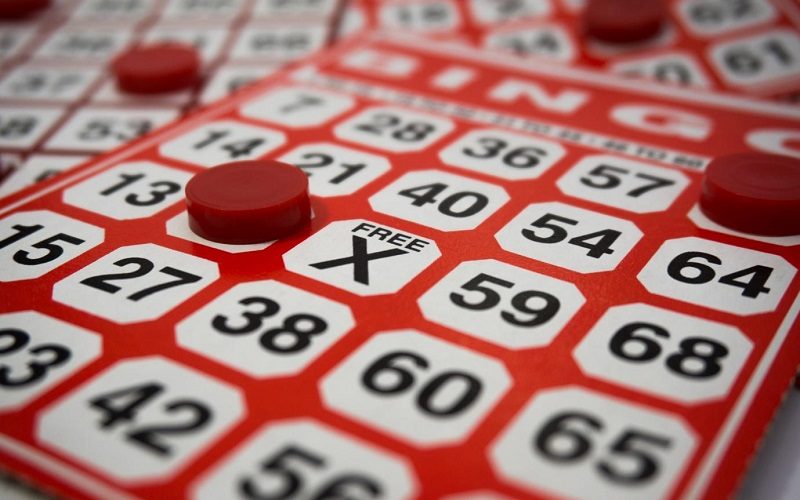
For decades, the mention of bingo tended to summon a remarkably uniform mental snapshot: folding tables under buzzing fluorescent tubes, church basements carrying the faint aroma of stale coffee, and rows of focused players defending dozens of paper sheets with ink dabbers in near-reverent silence. It was a cherished ritual, but one firmly anchored in a bygone era. Outside those dedicated halls, popular culture had long relegated the pastime to retirement communities and weekly charity fundraisers.
Today, that stereotype is quietly falling apart. Walk into an entertainment venue on a Friday night in Brooklyn, London, or Austin, and you are far more likely to find hundreds of twenty-somethings standing on chairs, singing along to pop anthems, trading dance-offs for cash prizes, and cheering as the next numbered ball drops into place. At the exact same time, millions of mobile users tap into fast-paced digital variants on their daily commutes, chasing seasonal achievements, unlocking custom visuals, and teaming up with digital clubs. Bingo has not simply survived into the twenty-first century; it has staged an extraordinary reinvention, capturing the attention of an audience raised on digital entertainment, interactive media, and experiential nightlife.

The Cultural Shift: Turning a Quiet Pastime into Nightlife Theater

The modern resurgence began when live event producers recognized that bingo possessed the ideal foundation for group entertainment. It is intuitive, participatory, and inherently suspenseful. By stripping away the hushed etiquette of traditional halls and injecting the energy of a live concert, creators unlocked a genuine nightlife phenomenon.
The rise of event-based bingo—frequently staged as bingo raves, musical bingo, or drag bingo—turned the game into a multisensory production. Instead of monotone callers reading out alphanumeric pairs, attendees encounter charismatic hosts, live DJs, theatrical lighting, and spontaneous dance breaks. The prizes reflect this playful irreverence: winners might walk away with a vintage toaster, a giant cardboard cutout of a celebrity, an air fryer, or a substantial stack of cash.
Crucially, these events offer an alternative to traditional clubbing. Young adults, increasingly fatigued by conventional bars where socializing can feel passive, repetitive, or awkward, are gravitating toward active, shared entertainment. Bingo provides an effortless social framework. Guests do not need to invent conversation topics out of thin air; the card in front of them generates a collective narrative of near-misses and sudden triumphs that breaks down social barriers between strangers across shared tables.

Digital Evolution: Fast-Paced Formats for the Mobile Generation

While physical venues turned bingo into a stage spectacle, game developers rebuilt the experience from the ground up for the smartphone screen. Early digital adaptations often struggled because they attempted to mimic the slow tempo of physical halls. The turning point arrived when creators realized that modern mobile players wanted a rhythm tailored to short attention spans and pocket-sized play sessions.
Modern digital platforms overhauled the core gameplay loop by introducing auto-daubing mechanics, multi-card automation, and dynamic visual pacing. Instead of scanning numbers across physical cards for minutes at a time, players can trigger power-ups, complete mini-games between rounds, and participate in tournaments that resolve in under two minutes. This shifted the experience closer to the cadence of modern casual gaming hits, blending pattern-matching satisfaction with rapid randomized rewards.
Beyond mechanics, the digital sphere doubled down on community building. Integrated chat features, cooperative team events, and shared guild challenges transformed what could have been an isolating screen activity into a collaborative social hub. Players celebrate each other’s victories, trade virtual items, and establish daily check-in habits with friends scattered across different time zones.

Why the Core Mechanics Still Hold Up

To understand why bingo appeals so strongly across demographic divides, one has to look closely at its underlying structure. Strip away the music, the stage lights, and the digital animations, and you are left with an exceptionally clean piece of game design that satisfies basic human impulses.

Universal Accessibility Without a Learning Curve

Most games that captivate modern audiences—from complex strategy video games to competitive tabletop titles like poker—demand a significant upfront investment of time. They require players to memorize rules, master rankings, study opening theories, or hone physical reflexes. That steep learning curve often produces an intimidating barrier to entry.
Bingo demands virtually zero preparation. A first-time player holds the exact same statistical odds of winning as someone who has played for thirty years. There is no bluffing, no tactical deception, and no penalty for failing to calculate probabilities. This complete democratization of the playing field creates a relaxed psychological space. Players can unwind, hold conversations, and participate without the performance anxiety that so often accompanies competitive gaming.

The Psychology of the Near Miss

Bingo relies heavily on a psychological phenomenon known as the near-miss effect. As a player marks off four numbers in a row, every subsequent number drawn carries heightened emotional stakes. The human brain naturally anticipates the completion of a visual pattern, releasing small bursts of dopamine with every matching call. Even when someone else claims the winning line first, the feeling of having been just one square away leaves participants eager to reset and try again immediately. It is low-stakes suspense at its purest, delivering tension and resolution in neat, predictable cycles.

The Search for Low-Pressure Third Places

Another major driver of bingo’s contemporary appeal is sociological. Modern urban living, remote work routines, and digital fatigue have disrupted traditional avenues for casual, face-to-face community. Sociologists frequently highlight the ongoing decline of the “third place”—those social surroundings distinct from the two usual environments of home and the workplace.
Younger demographics are actively searching for welcoming environments where they can gather without the pressure of professional networking or the intense atmosphere of crowded nightlife. Modern bingo venues, neighborhood brewery game nights, and community pop-ups fill this gap remarkably well. The game acts as a natural social buffer; having an easy, tactile activity on the table reduces awkwardness, making it easy to joke with neighbors or catch up with colleagues. It provides a simple excuse to be present together without high costs or elaborate expectations.

Where the Game Goes Next

The ongoing evolution of bingo shows no sign of slowing down. Creative communities on digital streaming platforms regularly design custom bingo cards for live entertainment, award shows, and community streams, turning passive spectatorship into an interactive group challenge. Meanwhile, hospitality concepts are experimenting with hybrid designs, using interactive table displays and augmented reality elements that blend the tangible charm of in-person gathering with the fluidity of digital gameplay.
Bingo’s survival across more than five centuries has never been an accident of history. Its enduring power lies in its adaptability. By retaining its timeless foundation—the shared thrill of watching random chance draw closer to a complete line—while fearlessly shedding its outdated aesthetics, the game has proven that great social design never truly expires. It simply waits for each new generation to rediscover it on their own terms.
read more
Casino

Live Dealer Casinos: Bringing the Energy of Real Tables Into Your Home

For years, online casino gaming existed as a distinctly solitary affair. A player would open an app, stare at a flat digital rendering of green felt, and click a button while a random number generator settled the outcome in fractions of a second. While convenient and mathematically sound, the experience stripped away virtually everything that makes a trip to a casino memorable: the tactile snap of freshly shuffled cards, the rhythmic clatter of a roulette wheel, the casual banter of the pit, and the steady presence of a professional croupier running the room.
Live dealer gaming completely rewrote that dynamic. By pairing broadcast-grade video streaming with real-time digital betting software, platforms created a hybrid format that brings the physical table directly into the living room. It is neither a sterile software simulation nor a passive video feed; it is an interactive environment where authentic human operation meets digital convenience. Understanding how this ecosystem functions—and why it has become the preferred format for traditional table enthusiasts—reveals how modern technology finally solved the problem of online casino isolation.

The Mechanics Behind the Stream: Where Optical Technology Meets Felt

Behind every smooth live dealer stream sits an intricate combination of television broadcast engineering and instantaneous data processing. These games do not run out of a noisy, crowded casino floor corner where patrons bump into cameras; they operate from custom-designed production studios equipped with acoustic baffling, professional lighting grids, and regulation gaming hardware.
The linchpin of the entire operation is Optical Character Recognition (OCR) technology. Every physical card pulled from a specialized dealing shoe features oversized symbols or micro-barcodes read by infrared scanners the exact instant the dealer draws it. When the ball drops into a pocket on a physical roulette wheel, optical sensors immediately record the winning number.
This physical data converts into electronic code in a split second, updating the digital user interface on the player’s screen before the dealer has even announced the outcome aloud. This seamless bridge between tangible objects and digital ledger systems allows players to place wagers digitally while watching physical cards land on a genuine table. There are no virtual dice or computerized random number algorithms determining the deal—just physical gravity, card distribution, and standard table geometry.

Restoring the Human Element in a Digital Space

The most transformative element of the live dealer format is not the high-definition cameras, but the presence of the dealer. In classic digital gaming, every hand feels anonymous and rapid-fire, encouraging a detached, mechanical rhythm where players can easily forget they are participating in an actual game of chance.
A live dealer immediately restores human pacing and personality. Professional dealers are trained not only in manual dexterity and game rules, but in broadcast presentation. They welcome players by their screen names as they join the table, acknowledge significant wins, and maintain a steady conversational rhythm throughout the session.
Through integrated chat interfaces, players can type messages directly to the dealer, who responds naturally on camera. This interaction produces a communal atmosphere reminiscent of an actual brick-and-mortar casino. Other players at the table share in the drama of a high-stakes double down or react collectively when a dealer shows a twenty against a full table of solid hands. This shared experience transforms an otherwise isolated digital wager into a shared social event.

Transparency and the Psychology of Trust

Even though licensed random number generators are heavily audited by third-party testing laboratories, an inherent skepticism lingers among many tabletop enthusiasts when playing purely computerized games. Watching a digital animation deliver four consecutive dealer twenty-ones can feel artificial, even when the underlying math is completely fair.
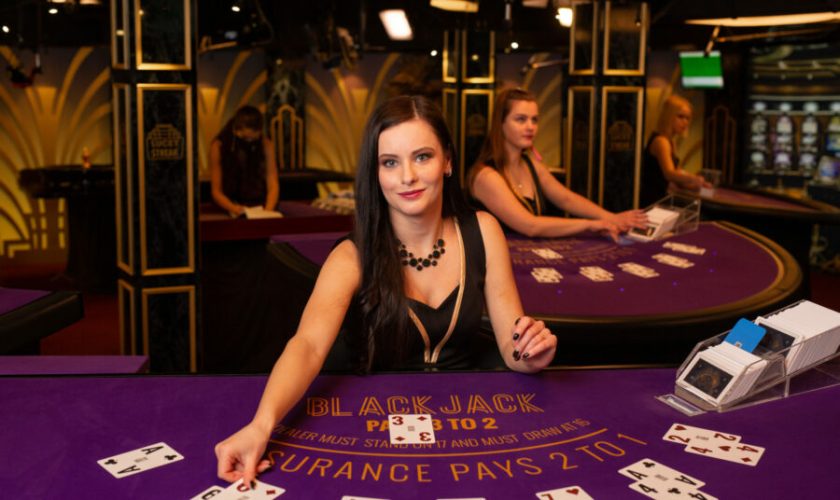
Live dealer tables dismantle that psychological barrier through unfiltered visual transparency. When you play live blackjack or baccarat, every element of the process happens in plain sight under continuous multi-angle coverage:
  • The dealer cuts, shuffles, and loads the shoe directly in front of the primary camera.
  • Physical cards remain visible on the felt at all times, with no blind spots or jarring camera cuts during active hands.
  • Roulette wheels spin under continuous, unedited close-ups until the ivory ball settles firmly into a numbered pocket.
Seeing physical cards slide out of an acrylic shoe appeals directly to traditional players who trust physical mechanics over lines of proprietary software code. The peace of mind that comes from witnessing physics govern the outcome cannot be replicated by any digital graphic, no matter how crisp the rendering.

Adapting Table Formats for Global Scale

Bringing live games to thousands of remote players simultaneously required software developers to solve physical space constraints. A standard blackjack table accommodates only seven seats; in a digital world where hundreds of people want to play at the same time, traditional seating limits create severe bottlenecks.
To overcome this, live studios pioneered several distinct table configurations. In common draw games, a dealer distributes a single community hand that hundreds of players can act on independently. While one player chooses to hit on sixteen, another can choose to stand on the very same hand, with the software tracking each individual choice and crediting payouts accordingly.
For traditional seven-seat formats, developers introduced the bet behind feature, allowing waiting players to wager on the outcomes of active seats while studying the habits and success rates of the seated players.
Beyond table classics, the live dealer infrastructure gave rise to interactive game-show formats featuring oversized spinning wheels, board game adaptations, and bonus multipliers. These productions lean into television entertainment value, blending charismatic hosts with dynamic graphics to create experiences that have no direct physical counterpart on a traditional casino floor.

Developing Disciplined Habits at the Live Table

Transitioning from instant-click digital games to live dealer formats requires an adjustment in how players manage their time and mental bandwidth.
Because you are sharing a table with a live professional and multiple remote players, decisions operate under a strict betting clock—typically fifteen to twenty seconds between rounds. This structural pacing prevents the reckless button-mashing that often drains bankrolls in standard digital software. However, it also demands that players understand basic strategy beforehand, as there is little time to deliberate over whether to hit or stand when the timer ticks down.
Technical stability is equally critical. A sudden connection dropout while holding an eleven against a dealer’s six can cause you to time out and default to a basic stand rather than executing an optimal double down. Treating live dealer sessions with the same focus you would bring to a physical table—securing a reliable internet connection, budgeting bankroll units carefully, and respecting table etiquette in the chat—ensures the experience remains engaging, sharp, and enjoyable.
The evolution of live dealer gaming proves that convenience does not have to come at the expense of character. By marrying broadcast engineering with time-tested casino traditions, live studios have captured the subtle energy, camaraderie, and tension that make real tables compelling. For players seeking the authentic pulse of the pit without the travel, the modern live studio delivers the best seat in the house.
read more
Gambling

What are advanced Ethereum keno gaming techniques?

Sophisticated keno approaches optimise bankroll management, bet sizing, and platform selection. Advanced techniques don’t overcome the house edge but maximise value and minimise losses. https://crypto.games/keno/ethereum reward educated strategic play. Professional-level knowledge separates experienced players from casual participants.

Kelly Criterion adaptation

  • Optimal bet sizing formula

Kelly Criterion calculates ideal wager percentages based on edge and odds, preventing both conservative under-betting and reckless over-betting. Standard formula uses edge divided by odds determining what percentage of bankroll to risk. Since keno features negative expectation, traditional Kelly suggests zero betting. Modified approaches use fractional Kelly accepting entertainment value while limiting exposure.

  • Practical implementation

Conservative players might bet quarter-Kelly or less recognizing mathematical disadvantage. This approach extends bankroll longevity while maintaining reasonable action levels. Calculate bankroll percentages dynamically adjusting bet sizes as balances fluctuate. Disciplined sizing prevents catastrophic losses during inevitable variance swings common in high-edge games.

Platform comparison methodology

  • RTP analysis techniques

Compare published return-to-player percentages across different Ethereum keno platforms before selecting the primary venue. Slight differences in payout tables create measurable value variations. Platforms offering 85% RTP provide better long-term value than 85% competitors. Percentage points compound across thousands of games, making platform selection economically significant.

  • Fee structure evaluation

Gas optimization varies between platforms, with some using Layer 2 solutions that dramatically reduce transaction costs. Analyze total costs including both platform house edge and blockchain fees. Cheaper fees improve overall economics, especially for frequent small-stakes players. Platform efficiency directly impacts bottom-line results.

Variance exploitation strategies

  • Tournament opportunities

Some platforms host keno tournaments where players compete for prize pools rather than playing against the house edge. Tournament structures create positive expectation situations for skilled players. Entry fees buy a specific number of games, with top scorers winning prizes. Strategic spot selection and bet sizing differ in tournament contexts compared to cash games.

  • Bonus arbitrage tactics

Identify platforms offering valuable deposit bonuses or loyalty rewards with reasonable wagering requirements. Calculate the expected value of bonus offers considering the house edge and the completion probability. Strategic bonus hunting provides temporary positive expectation opportunities, offsetting the standard negative edge. Understand terms thoroughly, avoiding violations that void bonuses.

Psychological discipline maintenance

  • Tilt prevention protocols

Advanced players recognise emotional decision-making as the greatest profitability threat. Implement mandatory breaks after predetermined loss thresholds, preventing tilt-induced poor choices. Use automated tools to block platform access during cooling-off periods. Maintain detailed logs tracking decisions, identifying patterns of emotional versus rational play.

  • Variance acceptance mindset

A professional-level understanding accepts that short-term results mean nothing about skill or fairness. Expect significant deviations from mathematical expectations across limited samples. Never adjust strategy based on recent results since each game remains independent. Variance tolerance separates experienced players from novices, who misattribute luck to causation.

Multi-platform diversification

  • Risk distribution approach

Spread bankrolls across multiple reputable keno platforms, reducing single-platform risk exposure. Platform failures, smart contract exploits, or exit scams could lock funds temporarily or permanently. Diversification limits maximum loss to a fraction of total gambling capital. Balance the convenience of consolidated play against the security advantages of distribution.

  • Arbitrage opportunity identification

Occasionally, different platforms offer temporarily misaligned odds or promotional opportunities. Quick identification and exploitation of discrepancies provides rare positive expectation situations. Monitor multiple venues simultaneously, watching for value anomalies. Arbitrage windows close rapidly, requiring decisive action when identified.

Advanced Ethereum keno techniques include Kelly Criterion sizing, platform comparison, variance exploitation, psychological discipline, and multi-platform diversification. Sophisticated approaches don’t overcome house edge but optimise value extraction and minimise losses. Professional-level play requires mathematical literacy, emotional control, and strategic platform selection beyond casual gambling approaches.

read more